Mami Wata, 'Mother Water' in English-based creoles such as Krio and Naijá, is a water spirit, and for many people a goddess, honoured in parts of West, Central and Southern Africa and across the Atlantic diaspora. She belongs to living religious practice, with devotees and shrines, and is linked with wealth, healing, fertility, wisdom and beauty, and with the power of the sea and rivers.
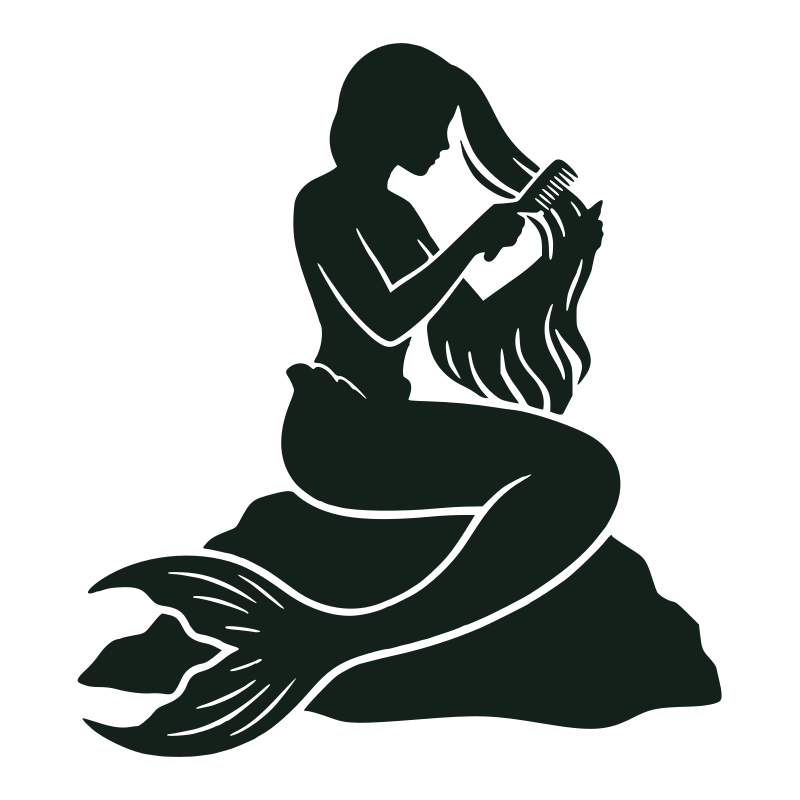
She is often shown as a woman with long, flowing hair, sometimes with a fish's tail and often with a snake around her shoulders. The art historian Henry John Drewal, himself a devotee, traces parts of this image to the first meetings of Africans and Europeans in the 15th century and to European mermaid carvings and ship figureheads, and later to a 19th-century print of a snake charmer and to Hindu religious prints sold on the West African coast. Mirrors, perfume and imported goods are typical offerings at her shrines.
In Liberia in the 1960s, the researcher Ronald Wintrob found that most people believed in Mammy Water, who was thought to bring good fortune to those she favoured, often in return for strict promises. Related spirits include Lasirèn in Haiti, Mãe d'Água in Brazil and Watra-mama in Suriname and Guyana, carried across the Atlantic by enslaved Africans. Some Christian and Muslim communities view her with suspicion, while her followers see her as a powerful and generous spirit.
What the stories say
- Mirrors, combs and perfume left at a waterside shrine
- Dreams of a beautiful woman from the water
- Images of a long-haired woman holding a snake
- Good fortune credited to the water spirit
Heard a local story, or had an experience?
Stories passed down in families and communities matter. Share yours in your own words, and you can stay anonymous.