In late January 1959, a group of students and graduates from the Ural Polytechnical Institute set out on a difficult ski trek in the northern Urals, led by 23-year-old radio engineering student Igor Dyatlov. One member, Yuri Yudin, turned back early with joint pain. He was the only one to survive.
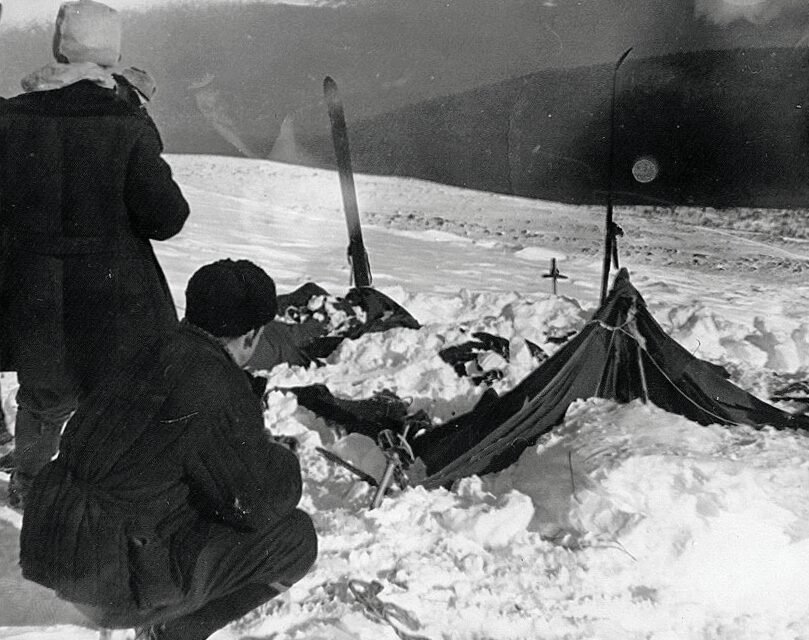
On February 1 the remaining nine pitched their tent on the open eastern slope of Kholat Syakhl, in heavy snow and strong wind. Some time that night they cut the tent open from the inside and left, most of them in socks or without shoes, heading down towards the woods. Searchers found the abandoned tent on February 26 and five bodies soon after; the last four were found in a creek ravine in May. Six had died of hypothermia and three of severe injuries.
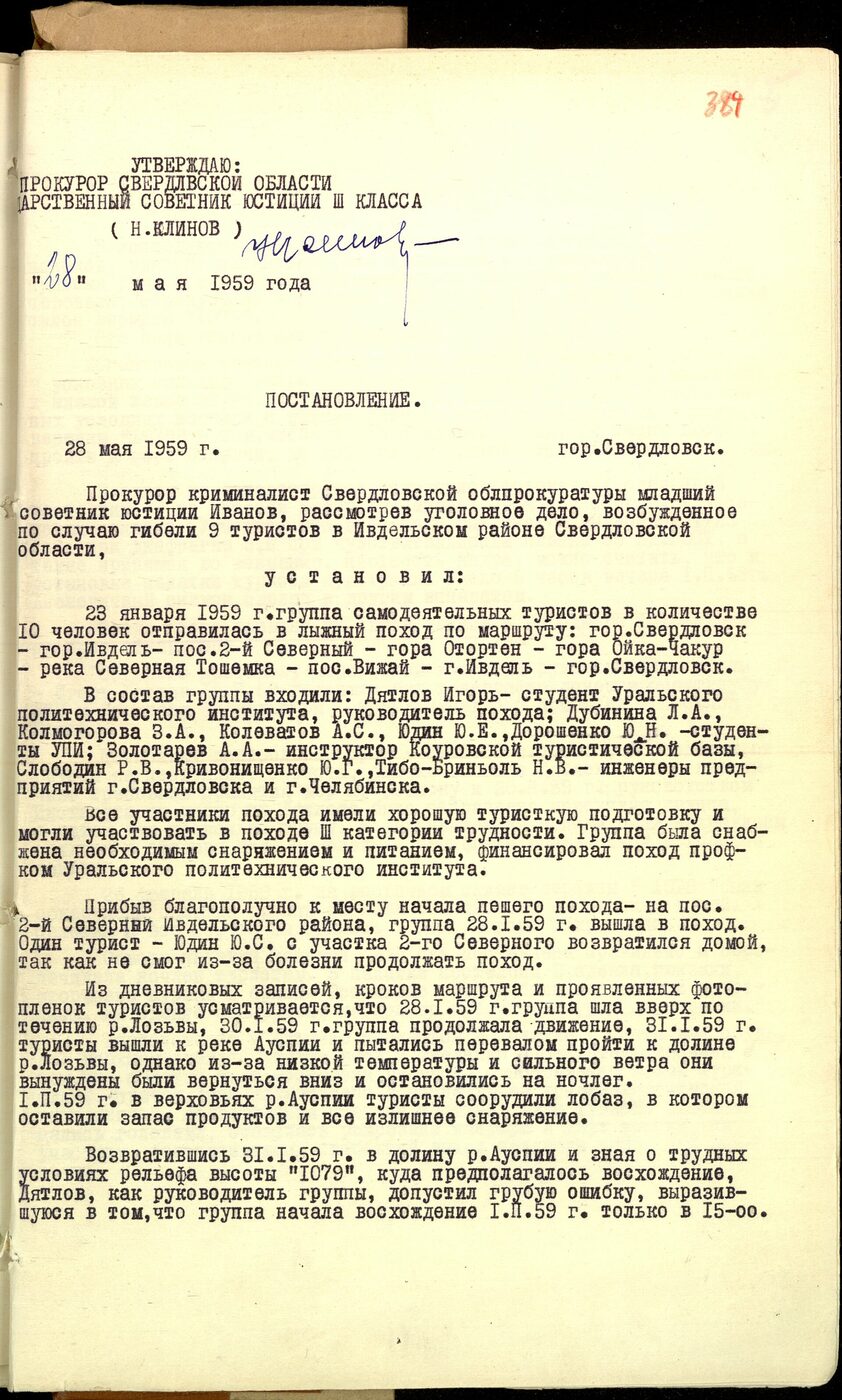
The Soviet investigation found no sign of anyone else on the mountain and concluded that a "compelling natural force" had caused the deaths. The gaps in that verdict led to decades of theories, including attacks by the local Mansi people, military tests, infrasound, animals and UFOs.
In 2019 Russian prosecutors reopened the case and in 2020 concluded that an avalanche had most likely driven the group out of the tent into a whiteout. In 2021, researchers at ETH Zurich and EPFL published a computer model showing how a small slab of wind-packed snow on the slope above the tent could have caused the damage and injuries without leaving obvious avalanche signs for the searchers weeks later.